All Categories
Featured
Table of Contents
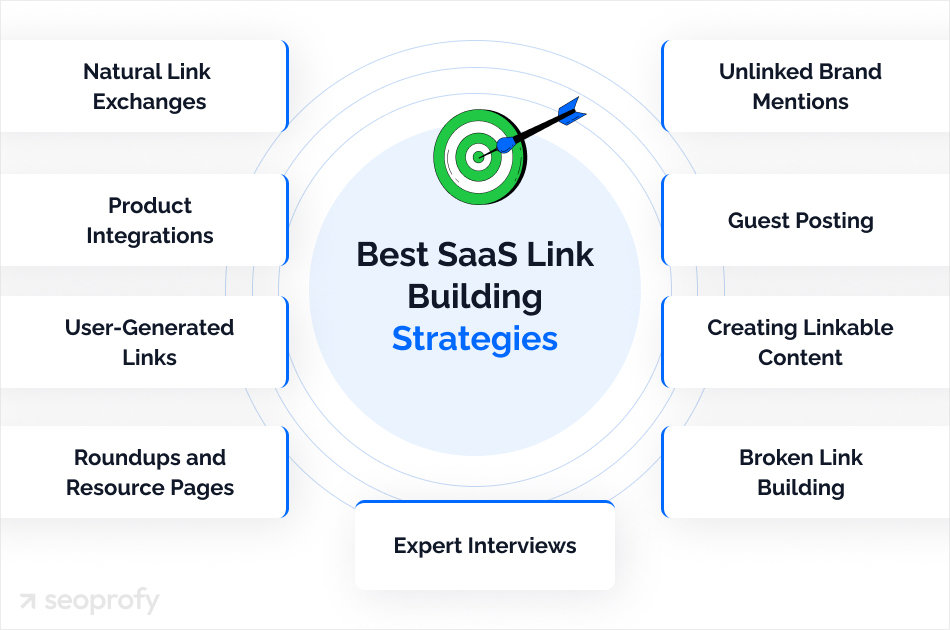
Filtering in 2026 and the Go Back To Human Links
The search environment in 2026 has actually reached a saturation point where automated content and AI-generated interaction are the default. This shift has forced online search engine and website editors to develop incredibly delicate filters. These filters are developed to catch and dispose of anything that does not have a clear human touch. In this environment, the spray-and-pray methods of previous years have actually become more than simply inefficient-- they are actively neglected by the systems that govern online exposure. Manual outreach has emerged as the only trustworthy way to cut through this noise, standing as the primary technique for securing high-quality backlinks and brand points out.
The core of this pattern lies in the idea of verified human interaction. When an editor receives a pitch, they are no longer simply searching for a relevant subject. They are looking for proof that a real person has actually researched their site, understood their audience, and provided something of authentic value. Automated tools, no matter how advanced their natural language processing became by early 2026, frequently miss the subtle cultural and topical subtleties that a human professional identifies. Site owners who buy Merchant Authority find that their search presence remains stable in spite of frequent algorithm updates that target synthetic activity.
Why Online Search Engine Focus On Manual Link Acquisition in 2026
Browse algorithms have actually progressed to focus on signals of genuine endorsement. In the past, a link was a vote of confidence. Today, search engines try to find the "intent" behind that vote. They evaluate whether a link was positioned because of a pre-existing relationship, a shared area of know-how, or a manual editorial decision. This level of examination makes automated link building a high-risk activity. Manual outreach, by its nature, results in positionings on sites that have stringent editorial standards. These sites are less most likely to accept low-grade material, making the links coming from them much more important in the eyes of search crawlers.
Current data recommends that Superior Placement Quality Standards supplies a layer of trustworthiness that automated tools can not reproduce. This is because manual efforts focus on relevance over volume. Instead of sending out five thousand generic emails, a specialist might send out fifty extremely tailored messages to industry leaders. The outcome is not just a link, but a placement within a contextually pertinent conversation. This contextual relevance is a major ranking aspect in 2026, as search engines move far from basic domain metrics and towards a more nuanced understanding of topical authority.
The Editor's Desk: Why Robotics Can't Pitch Other Robots
Editors at major publications have invested the last couple of years being bombarded by AI-generated pitches. By 2026, a lot of have actually executed advanced AI-detection software application on their inboxes. If a pitch shows indications of being mass-produced, it is moved to a spam folder before a human ever sees it. Manual outreach bypasses these digital gatekeepers by utilizing specific recommendations that a machine would likely disregard. This may consist of discussing a particular paragraph from a recent article or connecting a pitch to an existing occasion that has not yet been processed into the training data of large language designs.
The psychology of the recipient is just as essential as the innovation. Individuals wish to work with other individuals. When a marketing expert makes the effort to engage with digital authority building through personal e-mails or direct calls, they are building a relationship. These relationships frequently cause several chances with time, such as guest looks on podcasts, invitations to speak at virtual tops, or repeating mentions in month-to-month columns. A bot can not develop a relationship; it can just execute a deal. In the competitive market of 2026, transactions are cheap, however relationships are expensive and unusual.
Building Digital Moats with High-Authority Placements
One of the most considerable advantages of manual outreach is the capability to develop a "digital moat" around a brand name. A moat is a competitive benefit that is hard for others to copy. If a company counts on automated link building, their competitors can merely buy the same tools and achieve comparable outcomes. If a business builds its authority through manual outreach and unique editorial positionings, that success is much more difficult to reproduce. The search for Placement Quality for Link Building has actually led numerous marketing managers to desert automatic software in favor of dedicated outreach teams who can protect these special positionings.
These manual placements typically appear in the kind of deep-link combinations within long-form, expert-led content. Unlike the sidebar or footer links of the past, these are incorporated into the narrative of the page. Browse engines in 2026 are especially skilled at recognizing these "natural" placements. They see them as signs that the connected website is a relied on resource within its niche. This trust is the currency of the modern-day web. Without it, even the most technically enhanced site will struggle to preserve a leading position in the search results page.
Future-Proofing Your Authority for the 2026 Browse Field
To prosper in the present year, companies must see link structure as an extension of their public relations and brand-building efforts. The distinction between SEO and traditional PR has nearly completely disappeared. A successful project in 2026 requires a deep understanding of the target audience and a desire to take part in the sluggish, systematic work of manual communication. This method is not about discovering faster ways; it has to do with showing to both users and search engines that a site deserves its location at the top.
Manual outreach also permits better control over brand messaging. When a human deals with the communication, they can ensure that the brand name is provided in the right light which the surrounding material aligns with the company's values. This is almost impossible to control with automated systems, which frequently place links on sites that might be irrelevant and even damaging to a brand name's reputation. By choosing manual link placement, companies ensure that every reference of their name contributes to a favorable and reliable online existence.
The shift towards manual approaches is also a reaction to the "quality over quantity" required from online search engine. In 2026, ten top quality, by hand put links on authoritative sites are worth more than ten thousand low-quality, automated links. This reality has changed the economics of link building. The cost per link might be greater with manual outreach, however the roi is substantially greater since the outcomes are durable. Automated links often lead to temporary spikes followed by sharp drops when the next algorithm upgrade recognizes the pattern of adjustment. Manual links, nevertheless, tend to gain worth in time as the pages they survive on accumulate their own authority and traffic.
The long-term worth of manual outreach is clear. It is the only method that aligns with the objectives of online search engine: to offer users with the most useful, human-verified information possible. As AI continues to flood the web with average content, the value of human-vetted authority just increases. For those wanting to protect their place in the 2026 search landscape, the course forward is not through more software, however through more human connection. This concentrate on the specific and the specific ensures that a brand stays pertinent, trusted, and noticeable in an increasingly automatic world.

Latest Posts
Leveraging High-Quality Backlinks for 2026 SEO
Manual Outreach or Automated Tactics
Future-Proofing Authority Link Strategies for the Future